The Spain Collection
Place, continuity, craft, and visible use
Curatorial Approach
The Spain Collection explores how place becomes tangible through the objects people make, use, touch, carry, display, and pass along. During my time sourcing in Madrid, Valencia, and Segovia, I found myself repeatedly drawn to evidence of use— worn surfaces, patina, and the irregularities of handmade craft. These details reveal something about an object’s previous life and how it was embedded in the ways people lived, worked, celebrated, worshipped, traveled, dressed, or maintained their homes. Objects can carry cultural memory because they actually participated in people's lives.
I became increasingly aware that the pieces I chose to bring home were embarking on new chapters of their lives. With careful stewardship, an 18th-century pitcher can become a vase for Virginia native flowers from my garden. I can enjoy the beauty it brings to my home while still appreciating the history held in its clay, including the potter's impressed fingerprints. Farm bells bearing the iconography of Santiago might now adorn a shelf, but the sound they once made recalls the rural landscapes where they helped shepherd goats or sheep.
Curating the Spain Collection reminded me that objects have multiple lives. They survive because respectful reinterpretation does not require us to erase the stories objects already hold. Instead, objects continue gathering meaning as they move alongside us through different geographies and landscapes.
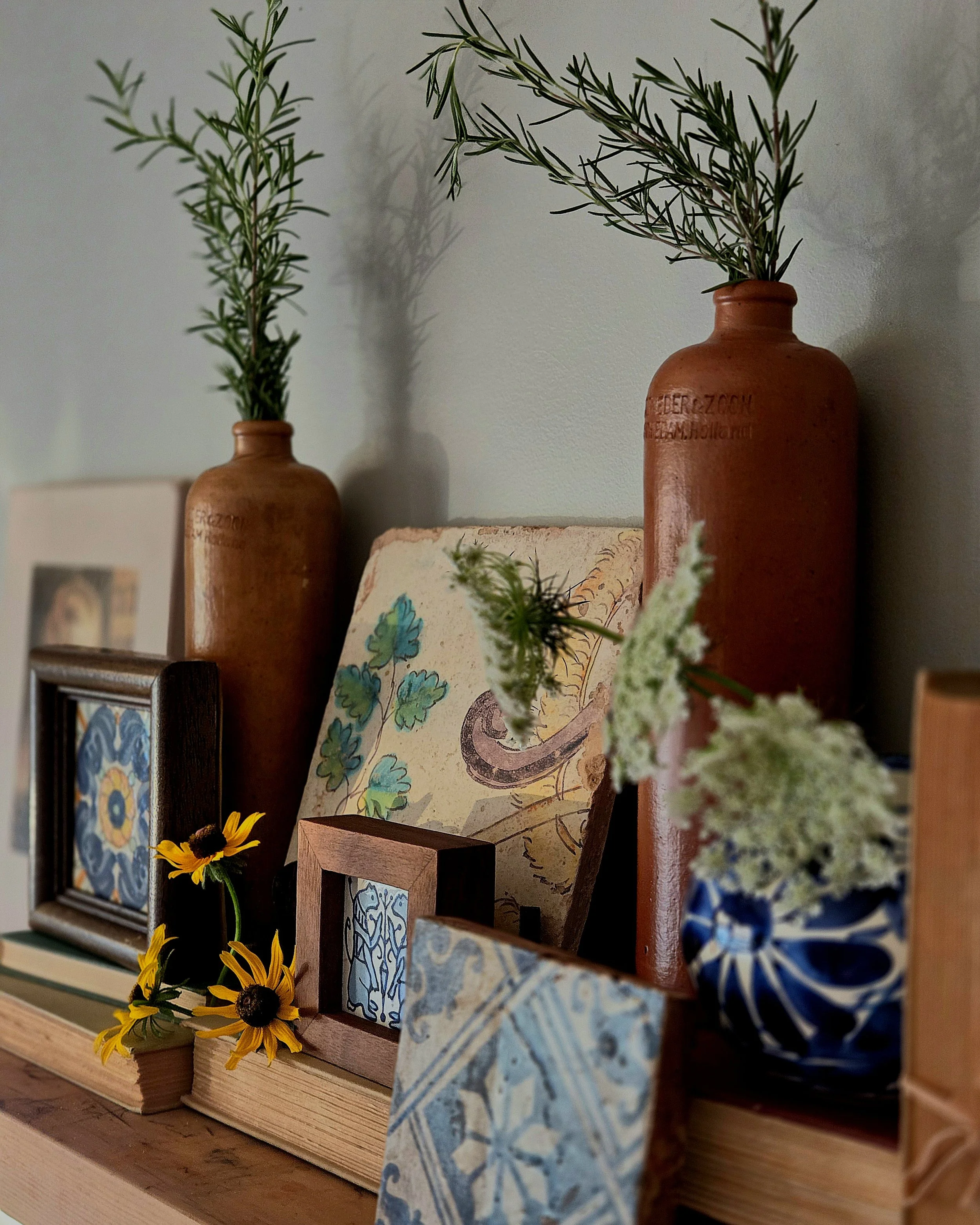
Painted ceramics from Valencia, ranging from 15th to 20th centuries.
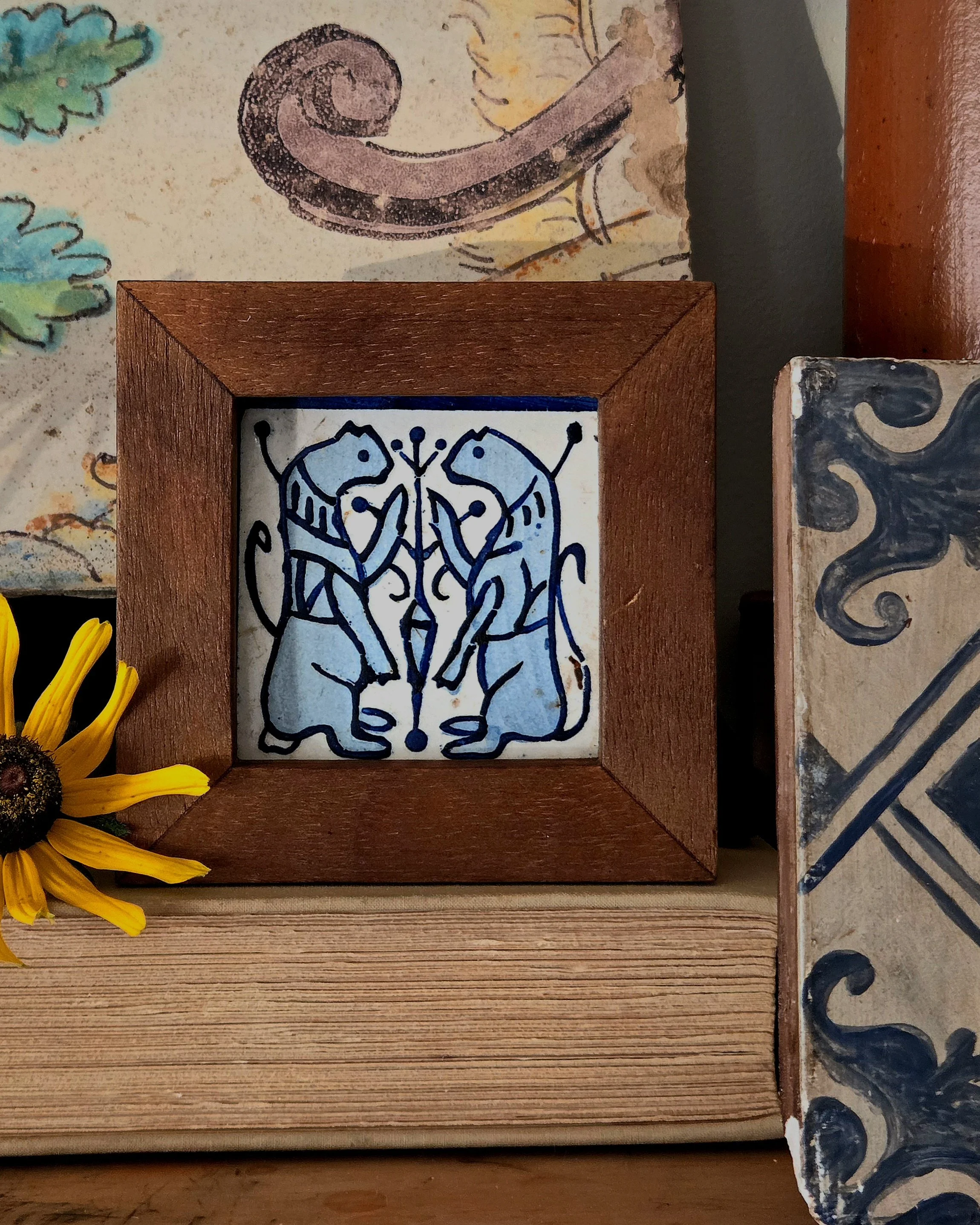
Medieval-revival framed tile, inspired by the Socarrat tradition.
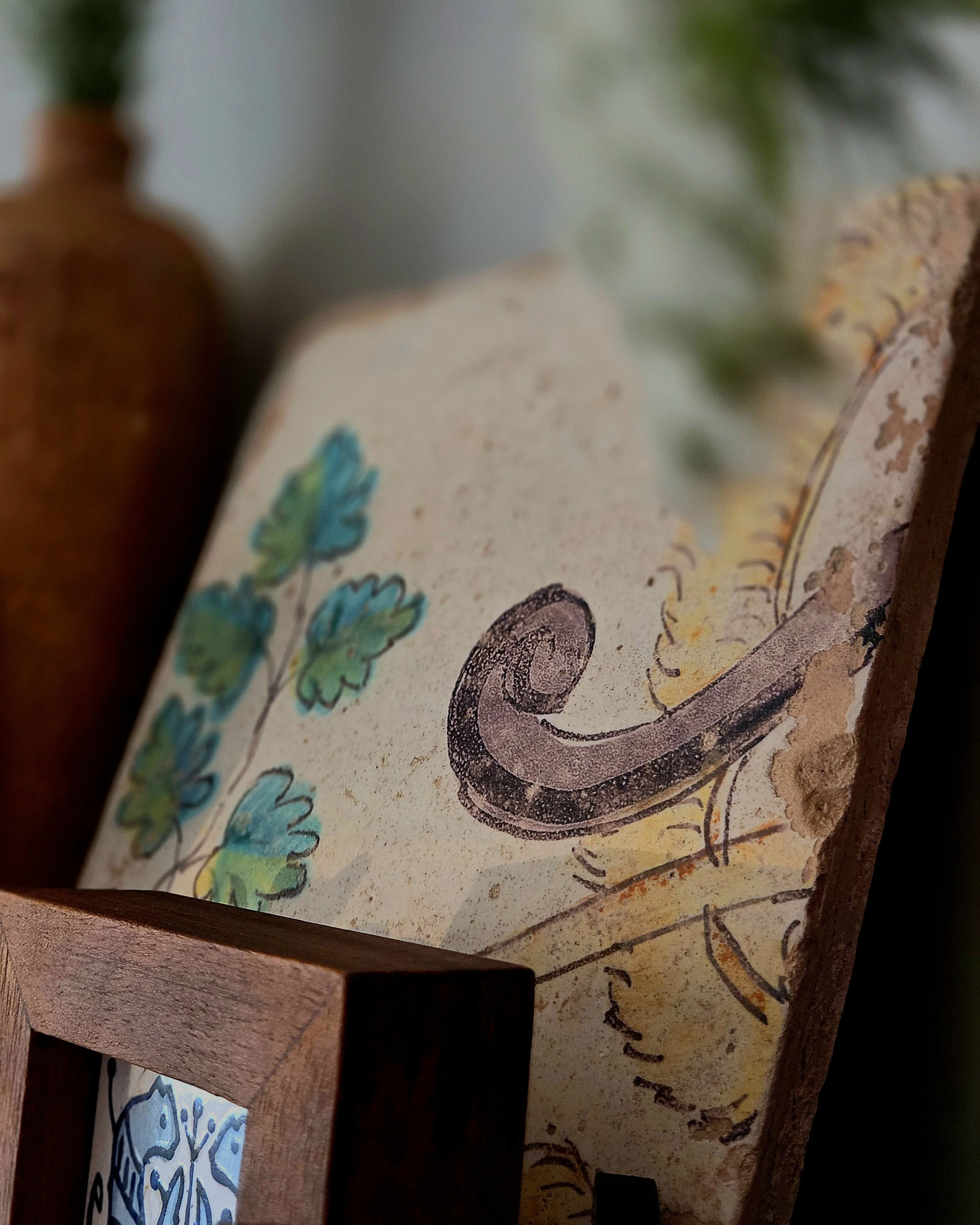
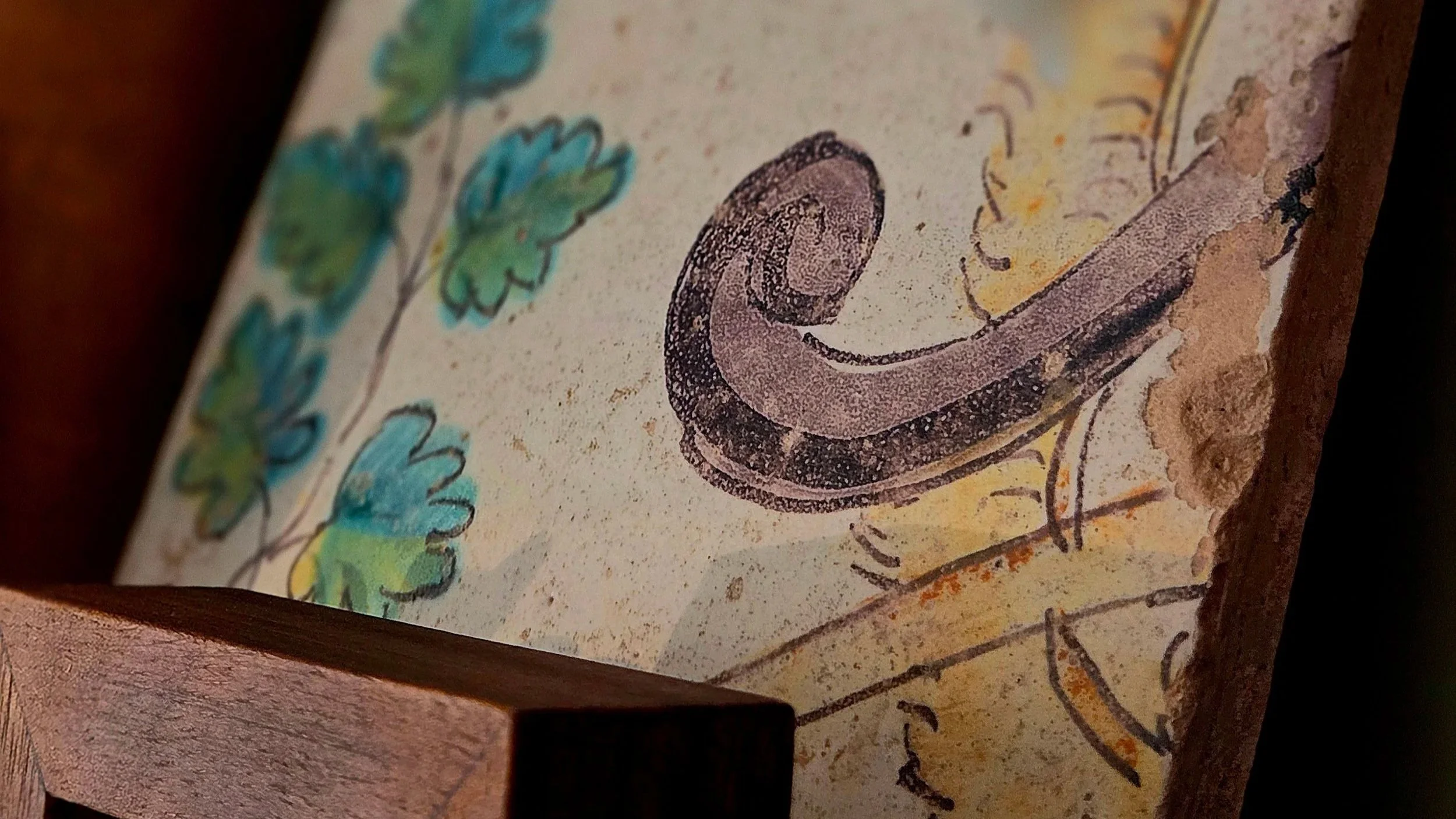
18th c. architectural tile with a horn of plenty, oak leaves, and acorns.
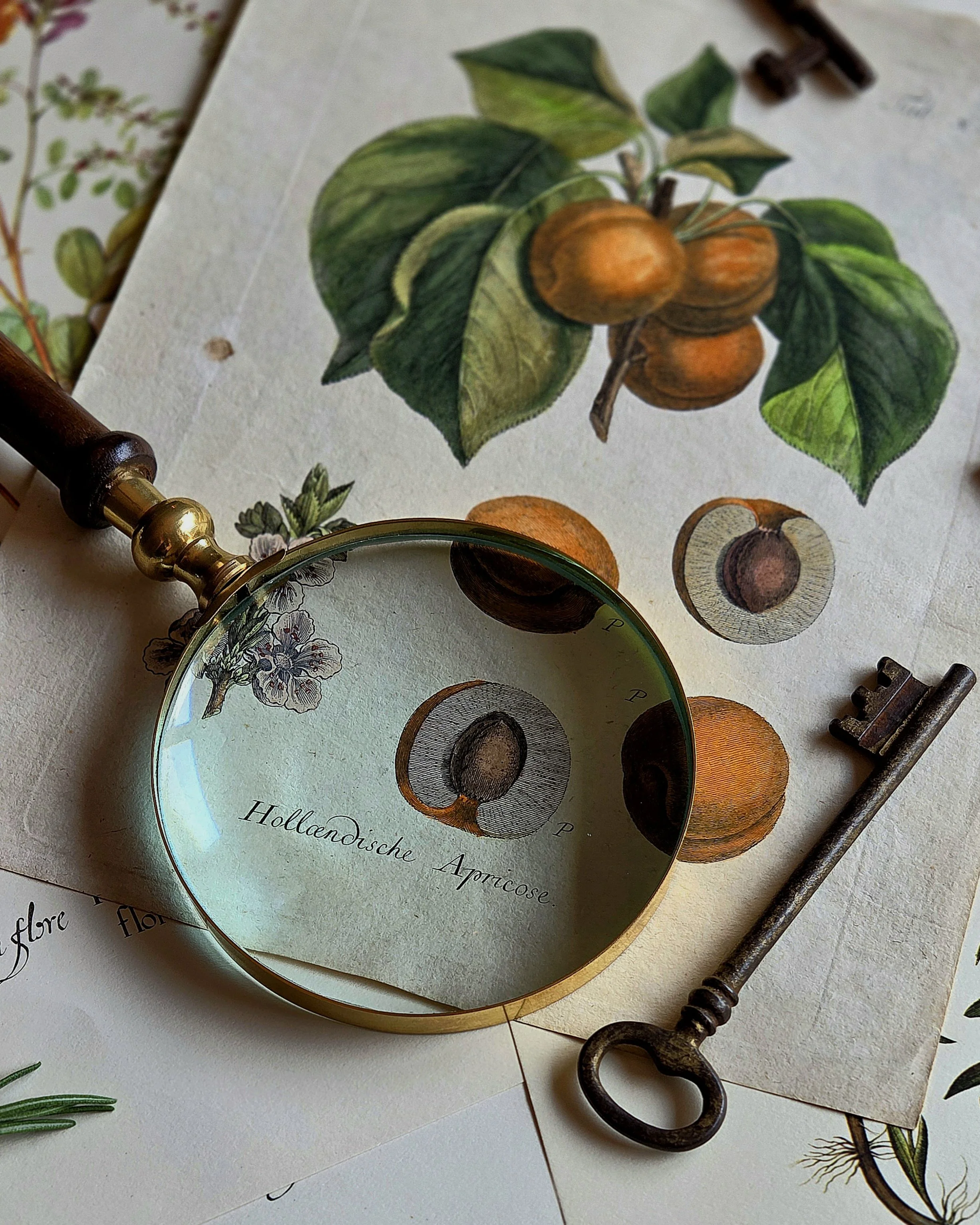
Hand-colored copperplate illustration from "Pomona Franconica," 1776.
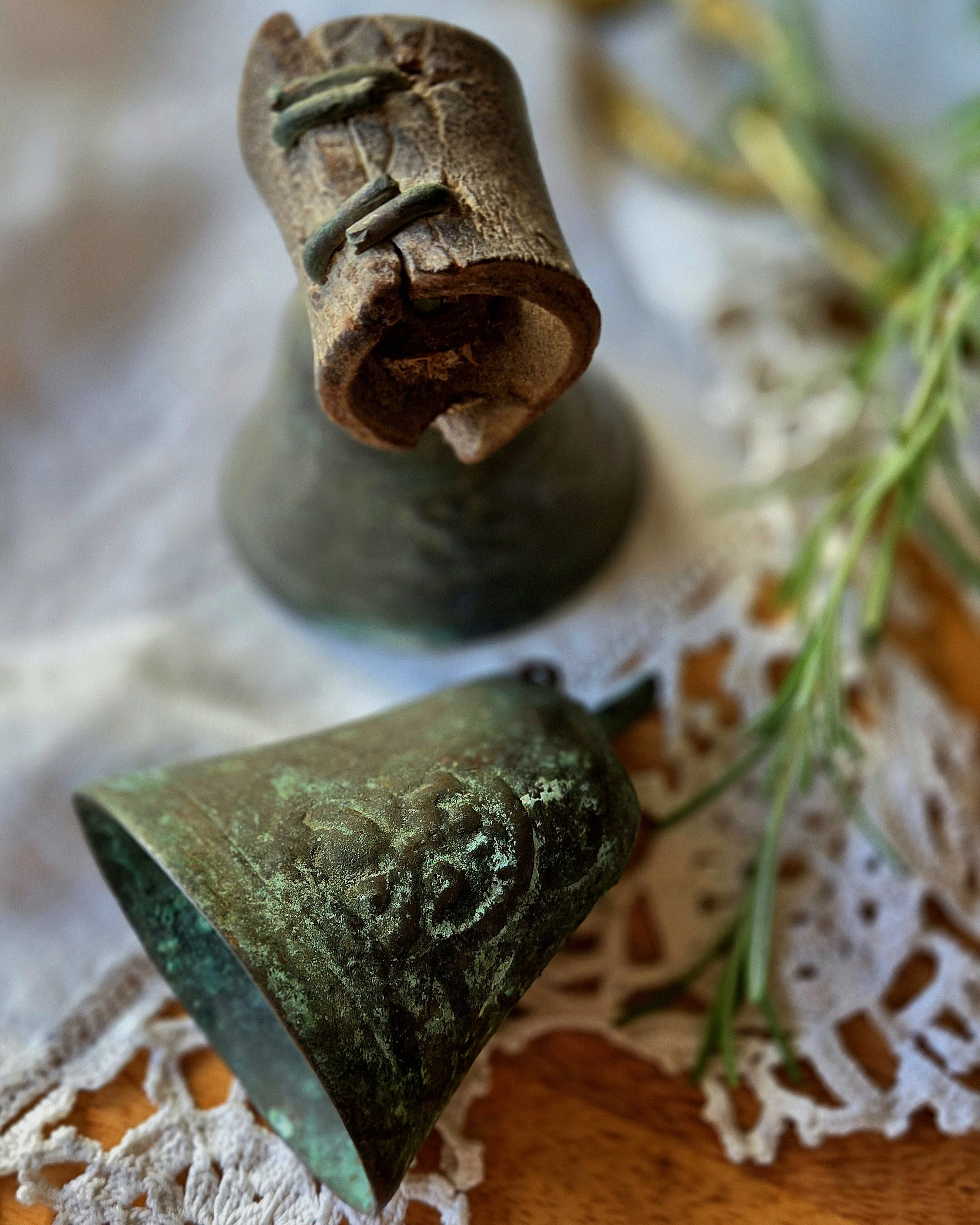
18th c. farm bells with Santiago iconography.
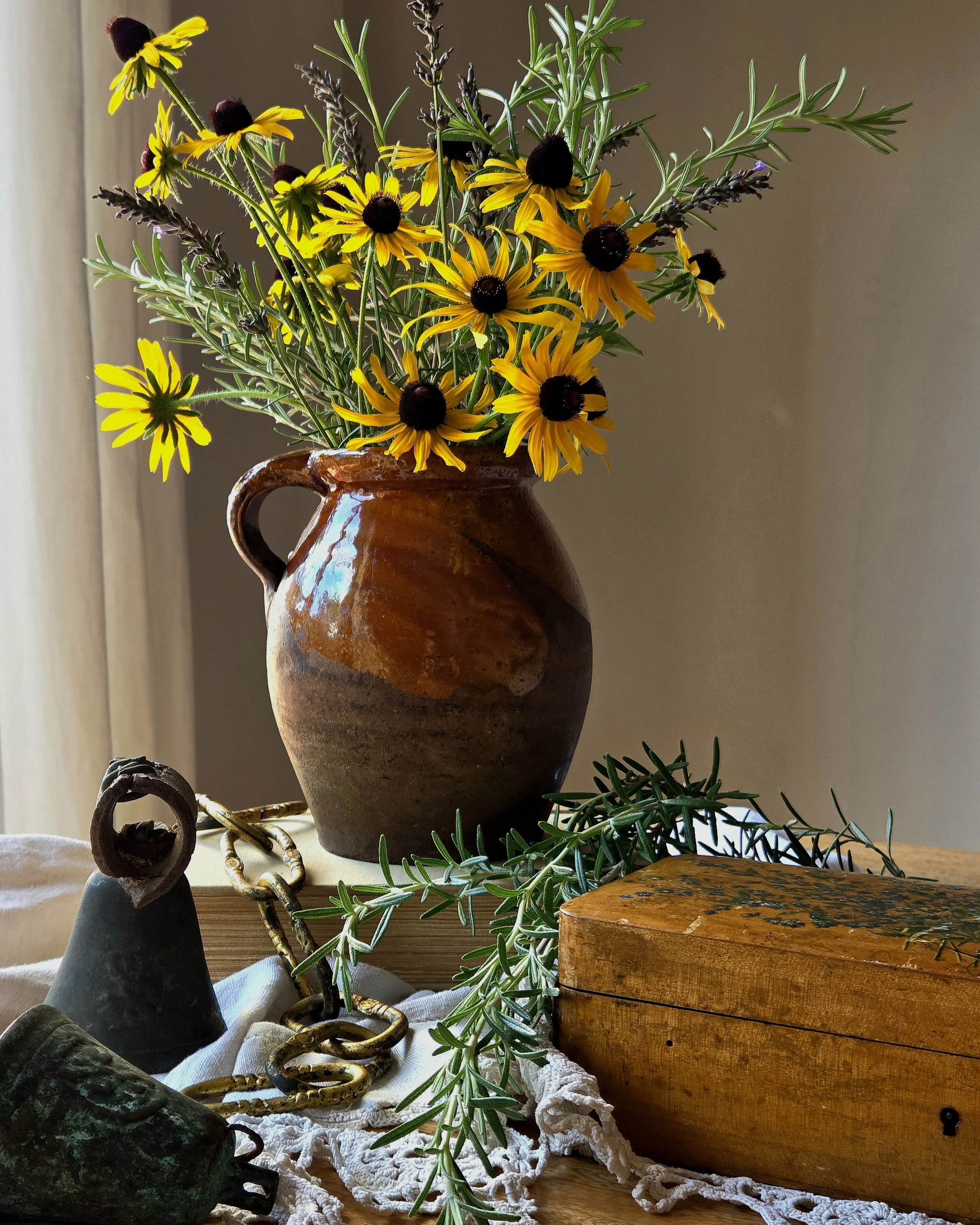
Cantaro pitcher with honey glaze from Toledo, 18th c.
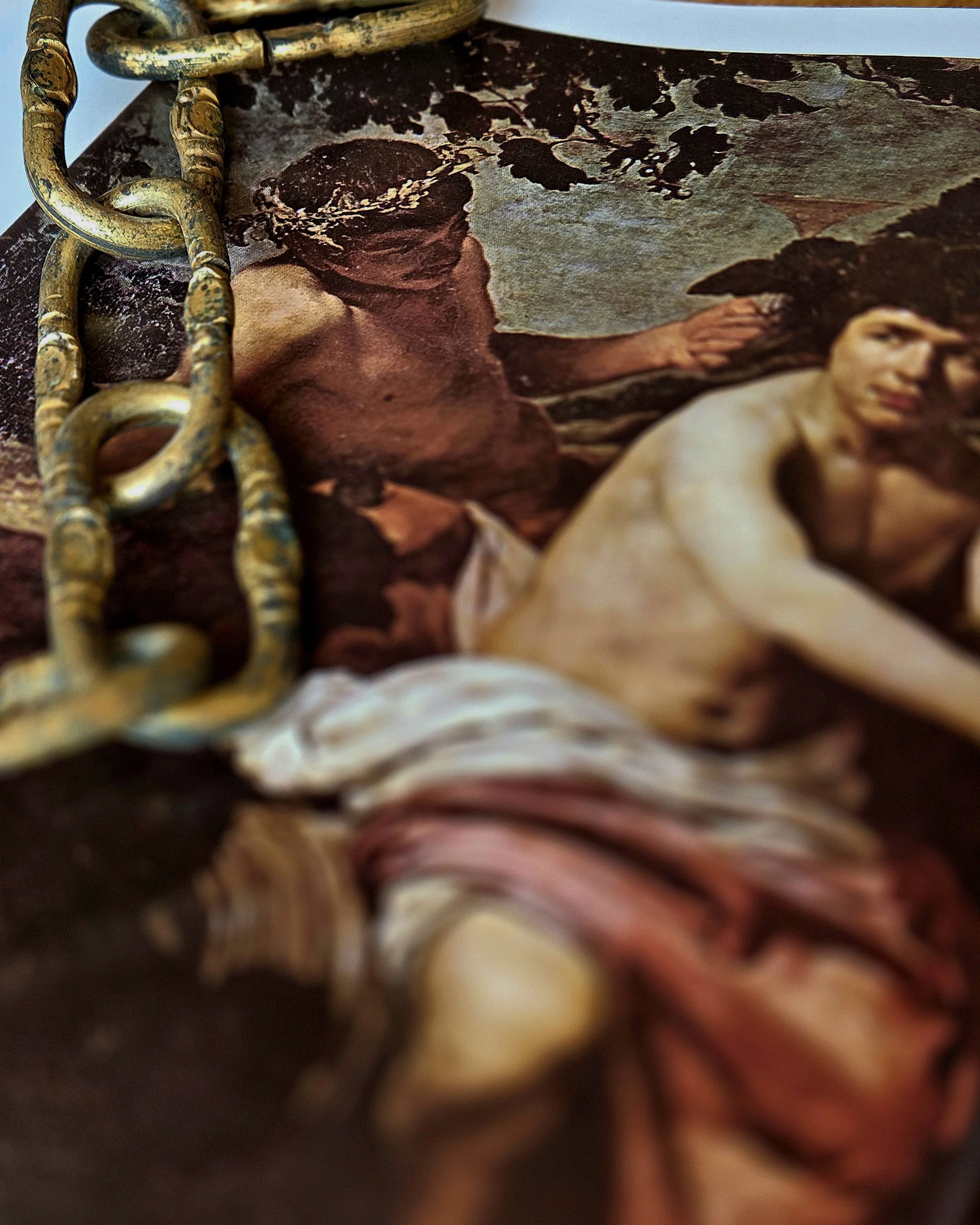
Baroque ormolu door latch chain, ca. 1680-1760.
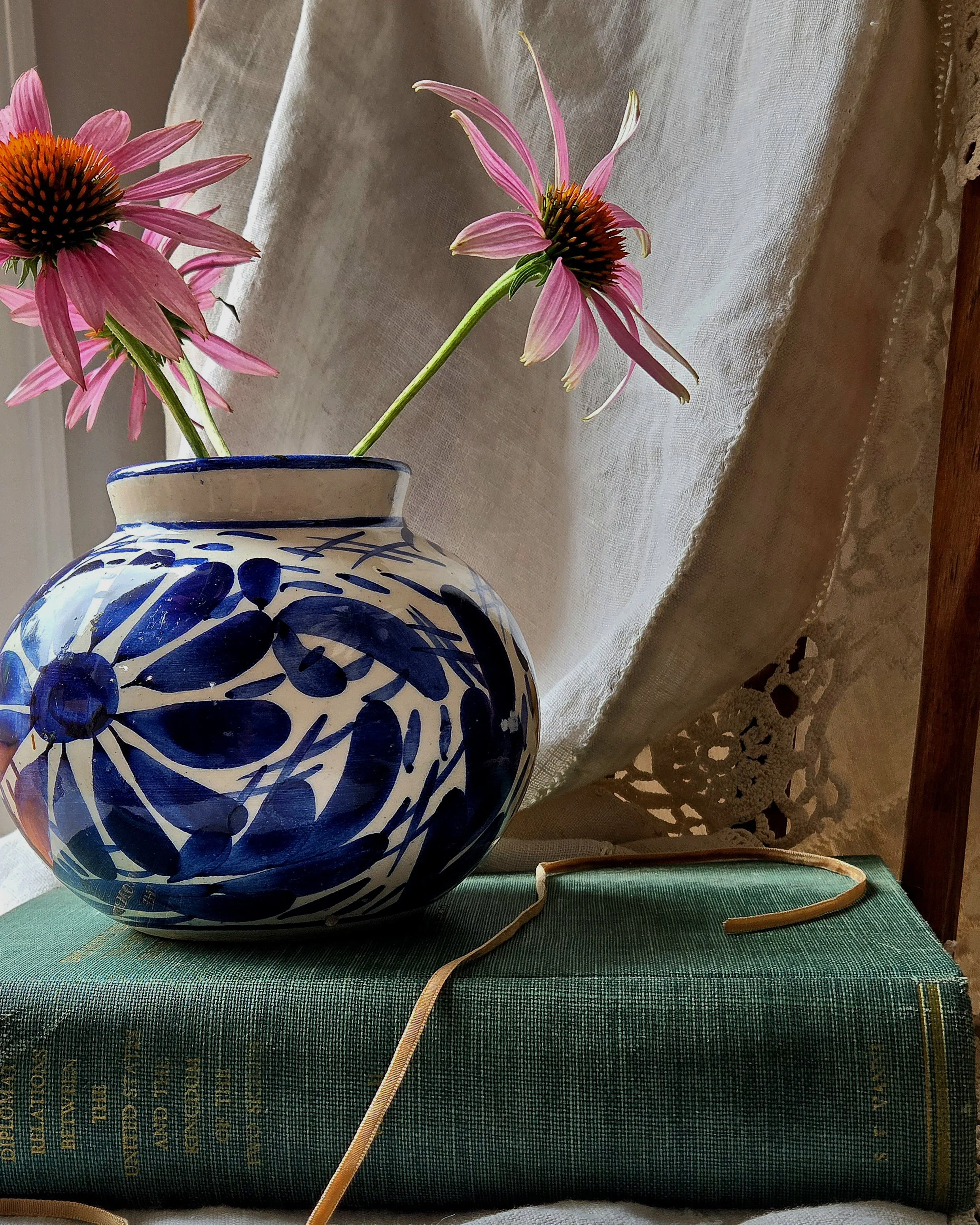
Talavera de la Reina vase, mid 20th c.