This original hand-colored copperplate botanical engraving from 1776 offers a glimpse into the eighteenth-century pursuit of botanical knowledge, horticultural excellence, and the art of scientific illustration.
The illustration depicts the "Dutch Apricot" and was produced for "Pomona Franconica," a landmark botanical work by Johann Prokop Mayer, royal gardener to the court at Würzburg. Published in three volumes between 1776 and 1801, "Pomona Franconica" documented the fruit varieties cultivated in the royal gardens of Franconia and reflected the eighteenth-century fascination with the careful study and improvement of plants.
This engraving comes from the first volume of the work, published in 1776. Each illustration was individually engraved and hand-colored at the time of publication, requiring the combined skills of botanical artists, engravers, and colorists. Unlike later decorative reproductions, this is an original eighteenth-century print created as part of the publication itself.
The physical characteristics of the paper further preserve its history. The visible plate mark created by the copperplate printing process and the subtle chain lines within the handmade paper provide evidence of its original production and age.
Botanical illustrations such as these served not only as scientific records but also as objects of beauty and refinement. In eighteenth-century European interiors, botanical prints bridged the worlds of scholarship, gardening, and domestic decoration—appearing in libraries, studies, and cultivated homes.
Today, this historic engraving offers a rare opportunity to bring an authentic piece of eighteenth-century botanical art into a collection, reading nook, study, or nature-inspired interior.
Details
Date: 1776
Publication: "Pomona Franconica" Volume I by Johann Prokop Mayer
Subject: Dutch Apricot
Medium: Copperplate engraving with original hand coloring on handmade paper
Origin: Published in Würzburg, Germany; acquired in Madrid, Spain
Measurements: 8 x 10 inches
Authenticity Note
This is an original eighteenth-century copperplate engraving, not a reproduction or later decorative print. Evidence of original production includes the visible plate mark from the copperplate printing process and chain lines within the handmade paper. The engraving was published in "Pomona Franconica" (1776), and the original hand coloring was applied during the creation of the work.
Care
Handle carefully by the edges. Avoid direct sunlight and prolonged exposure to humidity. For long-term preservation, archival framing using acid-free materials and UV-protective glazing is recommended.
Details
This original eighteenth-century botanical engraving has age-appropriate characteristics including minor variations in paper tone, surface texture, and signs of handling consistent with its history. The plate mark and handmade paper characteristics are part of the evidence of its original production and contribute to the authenticity and character of the piece. There is one small instance of age-related discoloration on the front, please see photographs for details.
This original hand-colored copperplate botanical engraving from 1776 offers a glimpse into the eighteenth-century pursuit of botanical knowledge, horticultural excellence, and the art of scientific illustration.
The illustration depicts the "Dutch Apricot" and was produced for "Pomona Franconica," a landmark botanical work by Johann Prokop Mayer, royal gardener to the court at Würzburg. Published in three volumes between 1776 and 1801, "Pomona Franconica" documented the fruit varieties cultivated in the royal gardens of Franconia and reflected the eighteenth-century fascination with the careful study and improvement of plants.
This engraving comes from the first volume of the work, published in 1776. Each illustration was individually engraved and hand-colored at the time of publication, requiring the combined skills of botanical artists, engravers, and colorists. Unlike later decorative reproductions, this is an original eighteenth-century print created as part of the publication itself.
The physical characteristics of the paper further preserve its history. The visible plate mark created by the copperplate printing process and the subtle chain lines within the handmade paper provide evidence of its original production and age.
Botanical illustrations such as these served not only as scientific records but also as objects of beauty and refinement. In eighteenth-century European interiors, botanical prints bridged the worlds of scholarship, gardening, and domestic decoration—appearing in libraries, studies, and cultivated homes.
Today, this historic engraving offers a rare opportunity to bring an authentic piece of eighteenth-century botanical art into a collection, reading nook, study, or nature-inspired interior.
Details
Date: 1776
Publication: "Pomona Franconica" Volume I by Johann Prokop Mayer
Subject: Dutch Apricot
Medium: Copperplate engraving with original hand coloring on handmade paper
Origin: Published in Würzburg, Germany; acquired in Madrid, Spain
Measurements: 8 x 10 inches
Authenticity Note
This is an original eighteenth-century copperplate engraving, not a reproduction or later decorative print. Evidence of original production includes the visible plate mark from the copperplate printing process and chain lines within the handmade paper. The engraving was published in "Pomona Franconica" (1776), and the original hand coloring was applied during the creation of the work.
Care
Handle carefully by the edges. Avoid direct sunlight and prolonged exposure to humidity. For long-term preservation, archival framing using acid-free materials and UV-protective glazing is recommended.
Details
This original eighteenth-century botanical engraving has age-appropriate characteristics including minor variations in paper tone, surface texture, and signs of handling consistent with its history. The plate mark and handmade paper characteristics are part of the evidence of its original production and contribute to the authenticity and character of the piece. There is one small instance of age-related discoloration on the front, please see photographs for details.
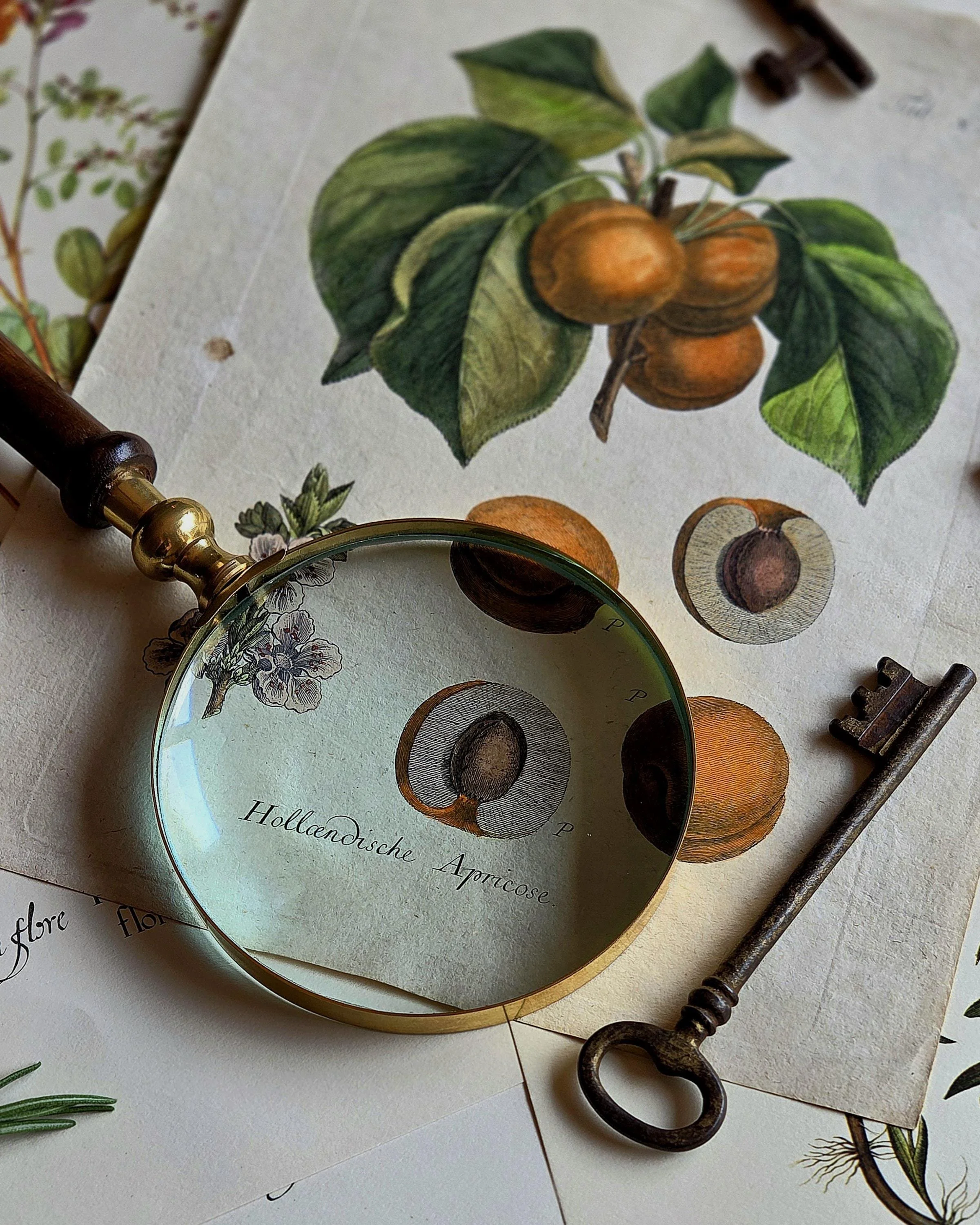 Image 1 of 11
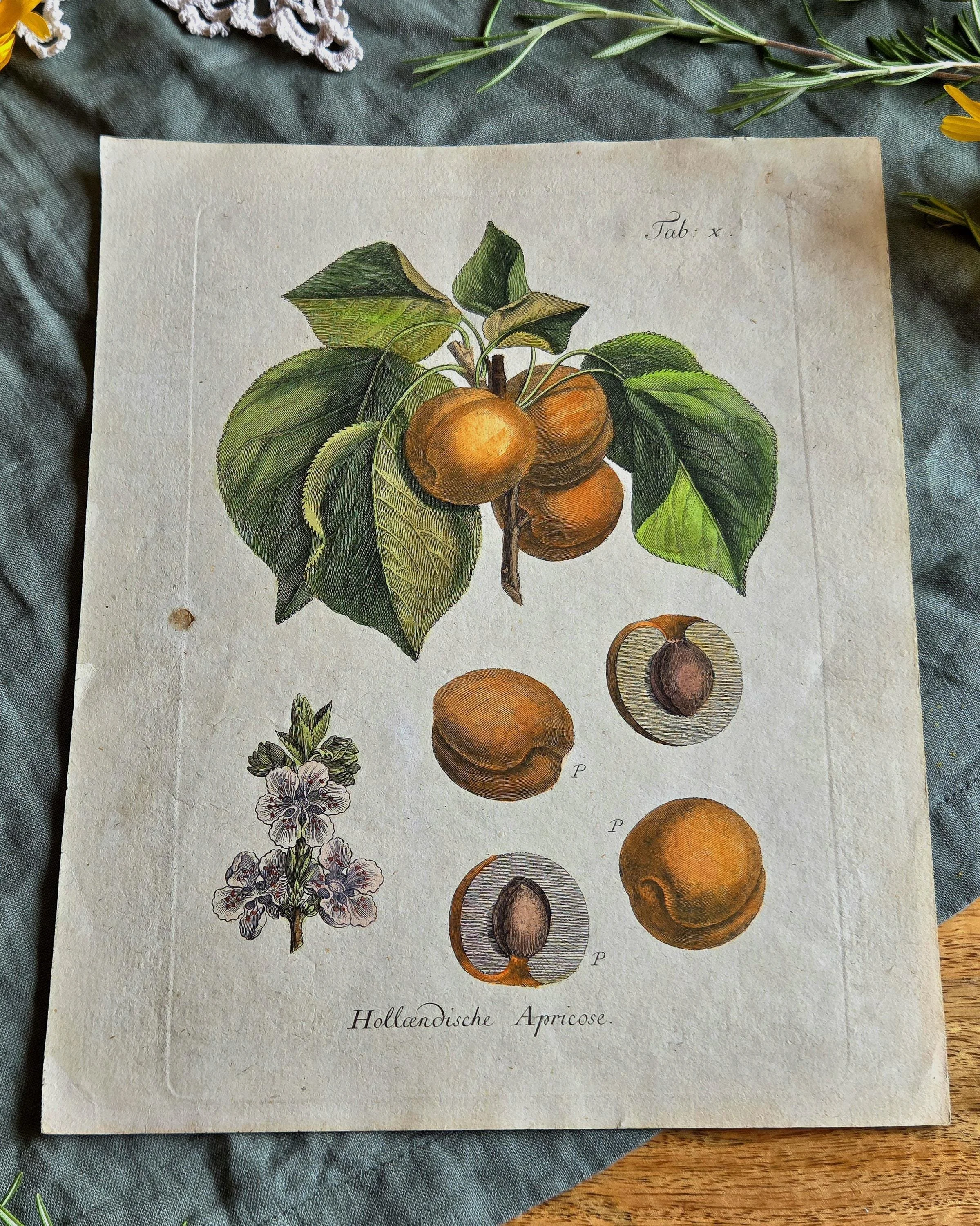 Image 2 of 11
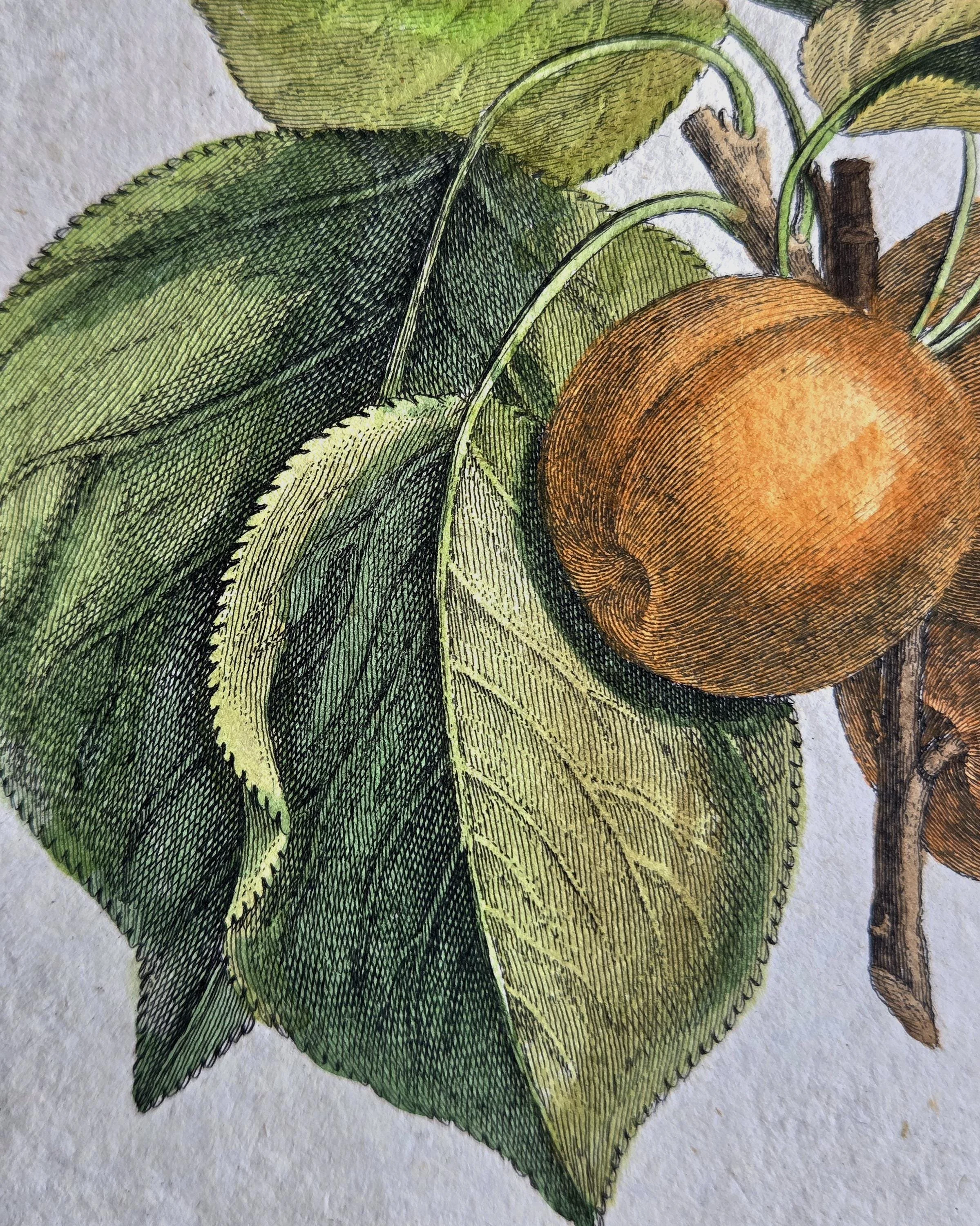 Image 3 of 11
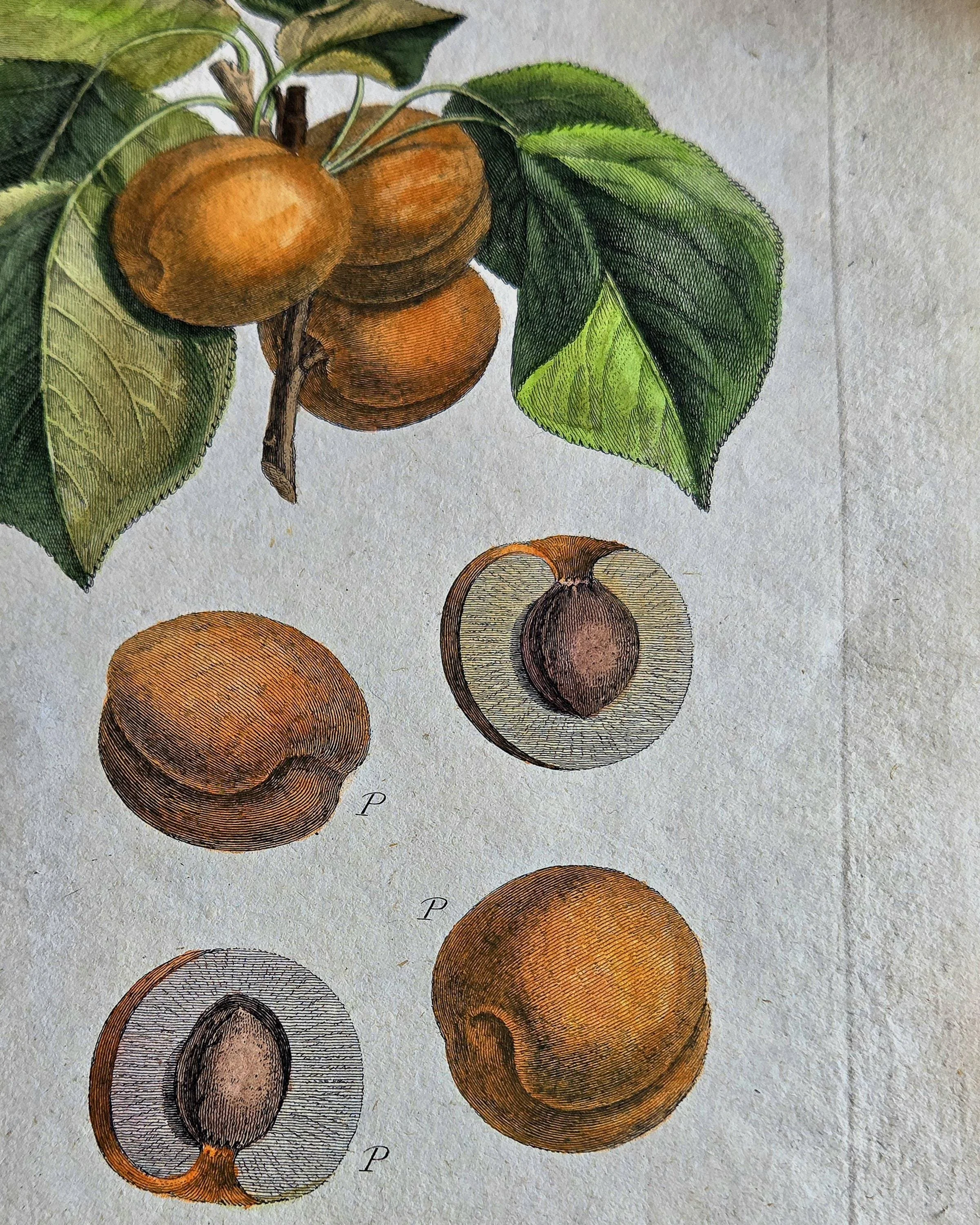 Image 4 of 11
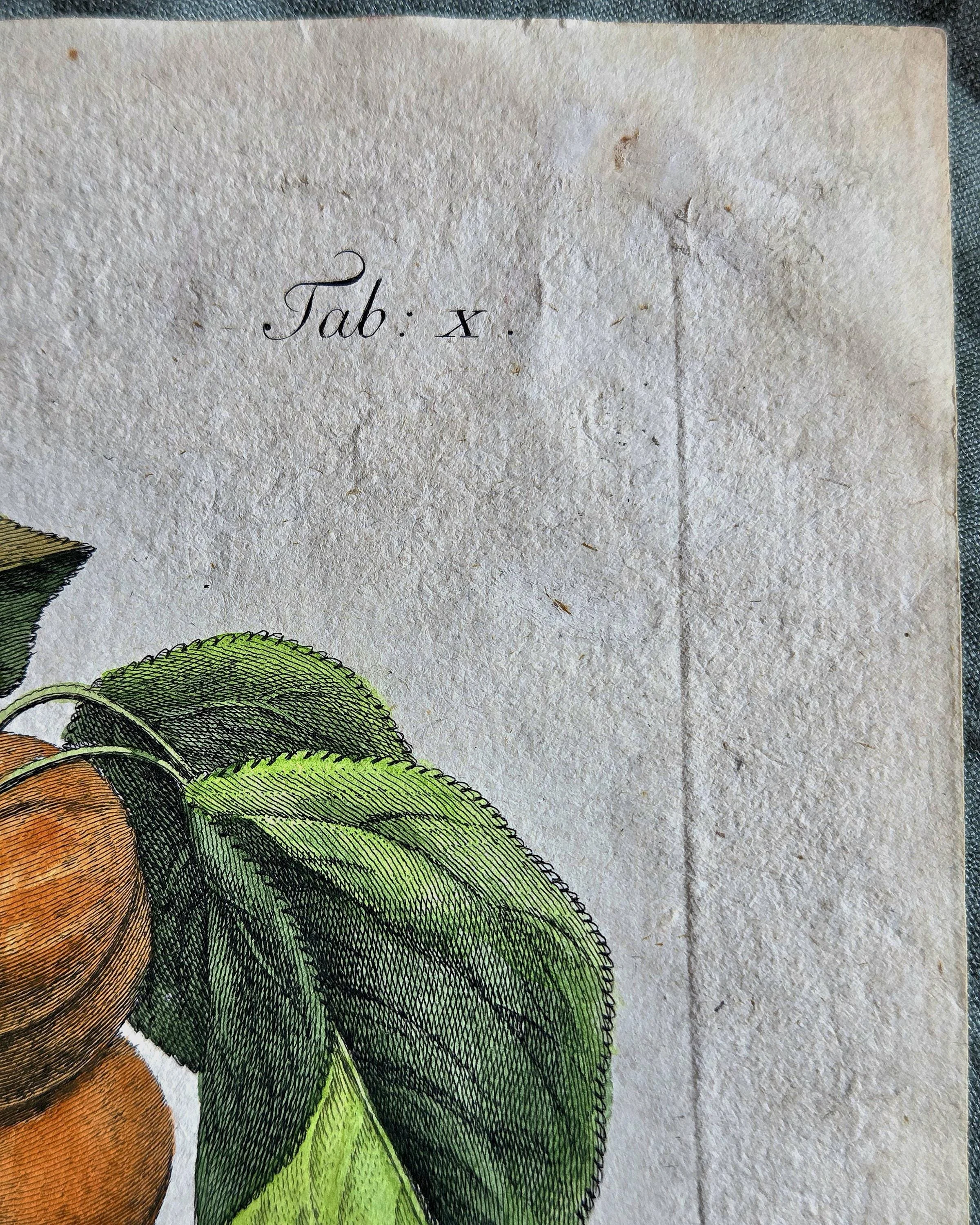 Image 5 of 11
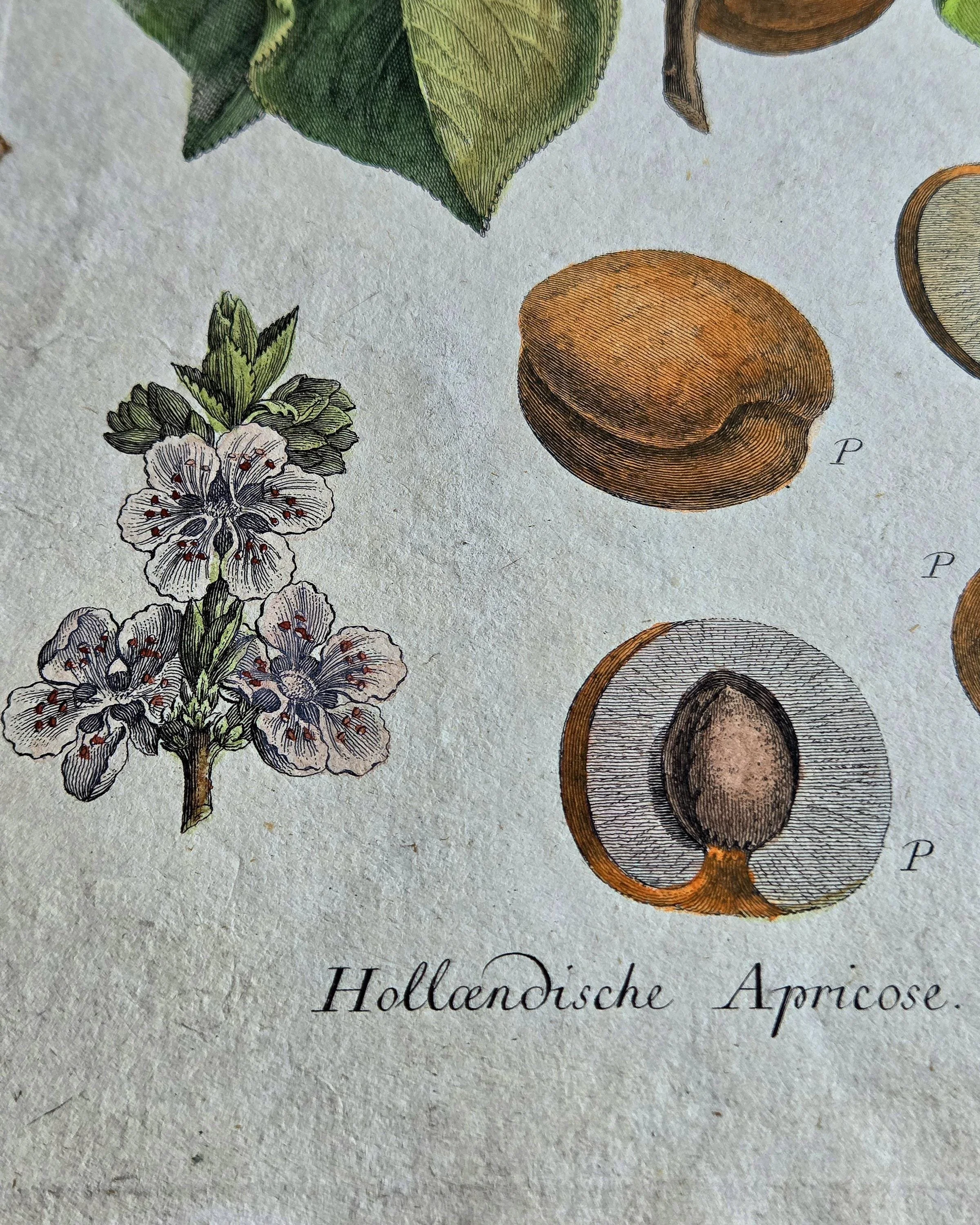 Image 6 of 11
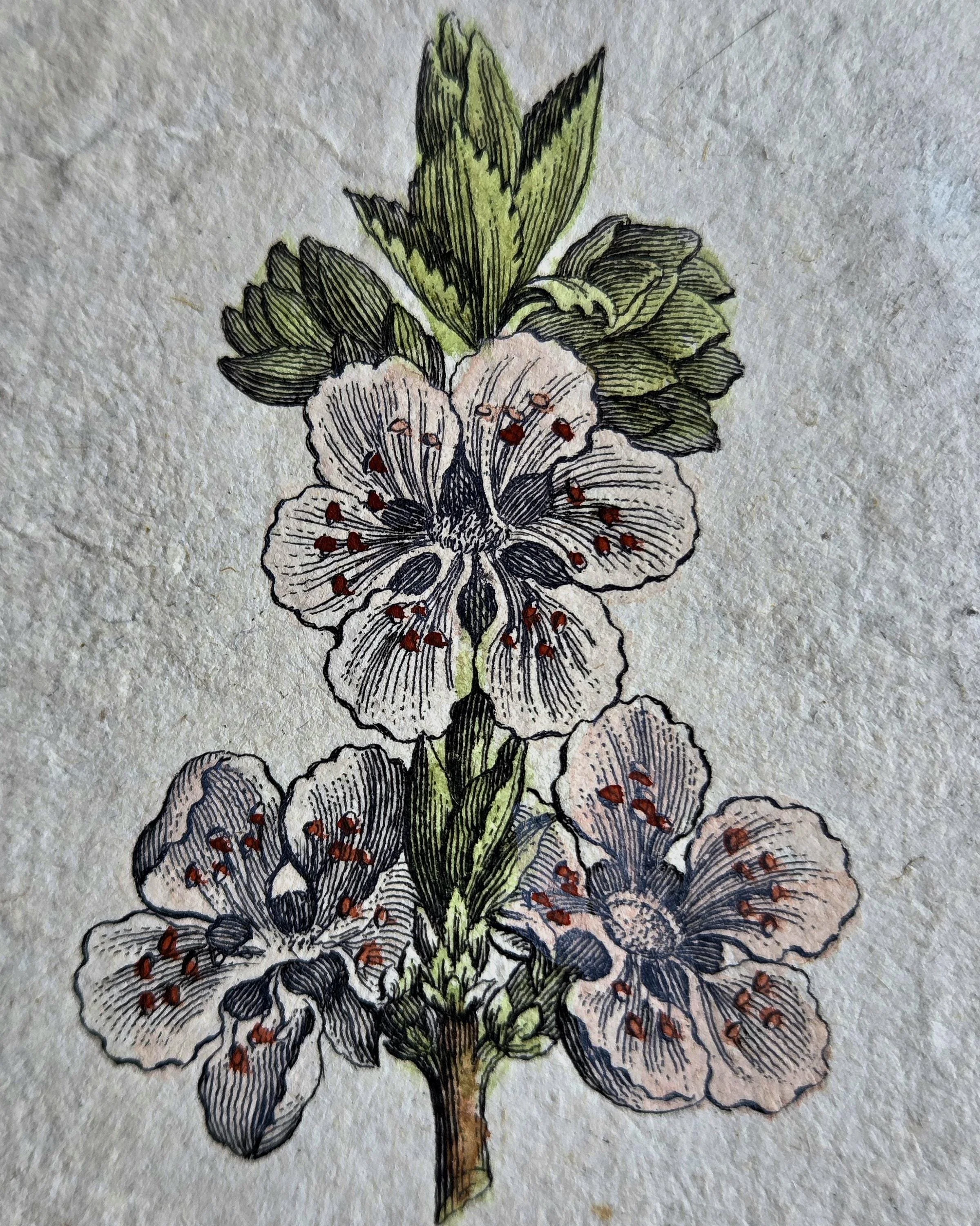 Image 7 of 11
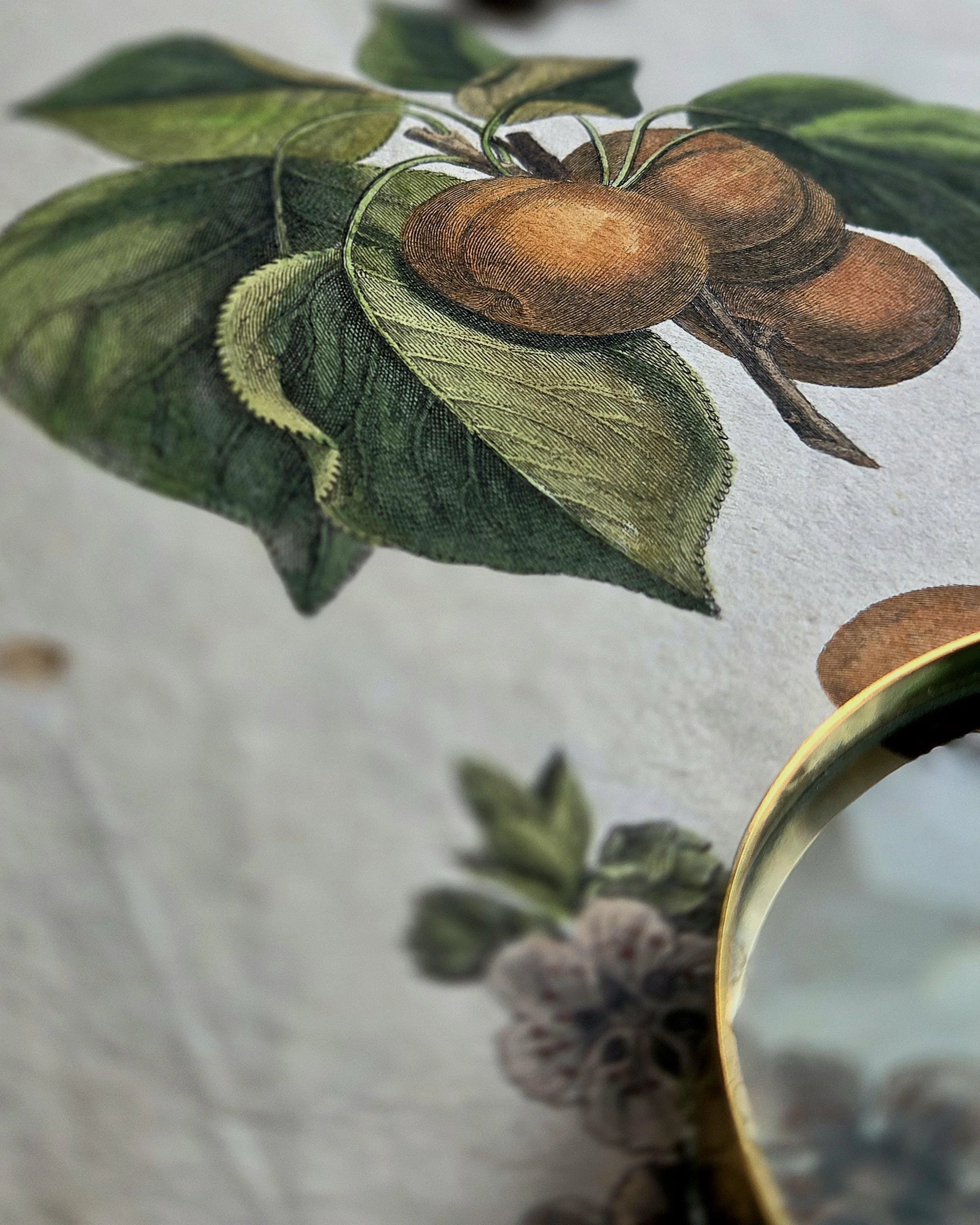 Image 8 of 11
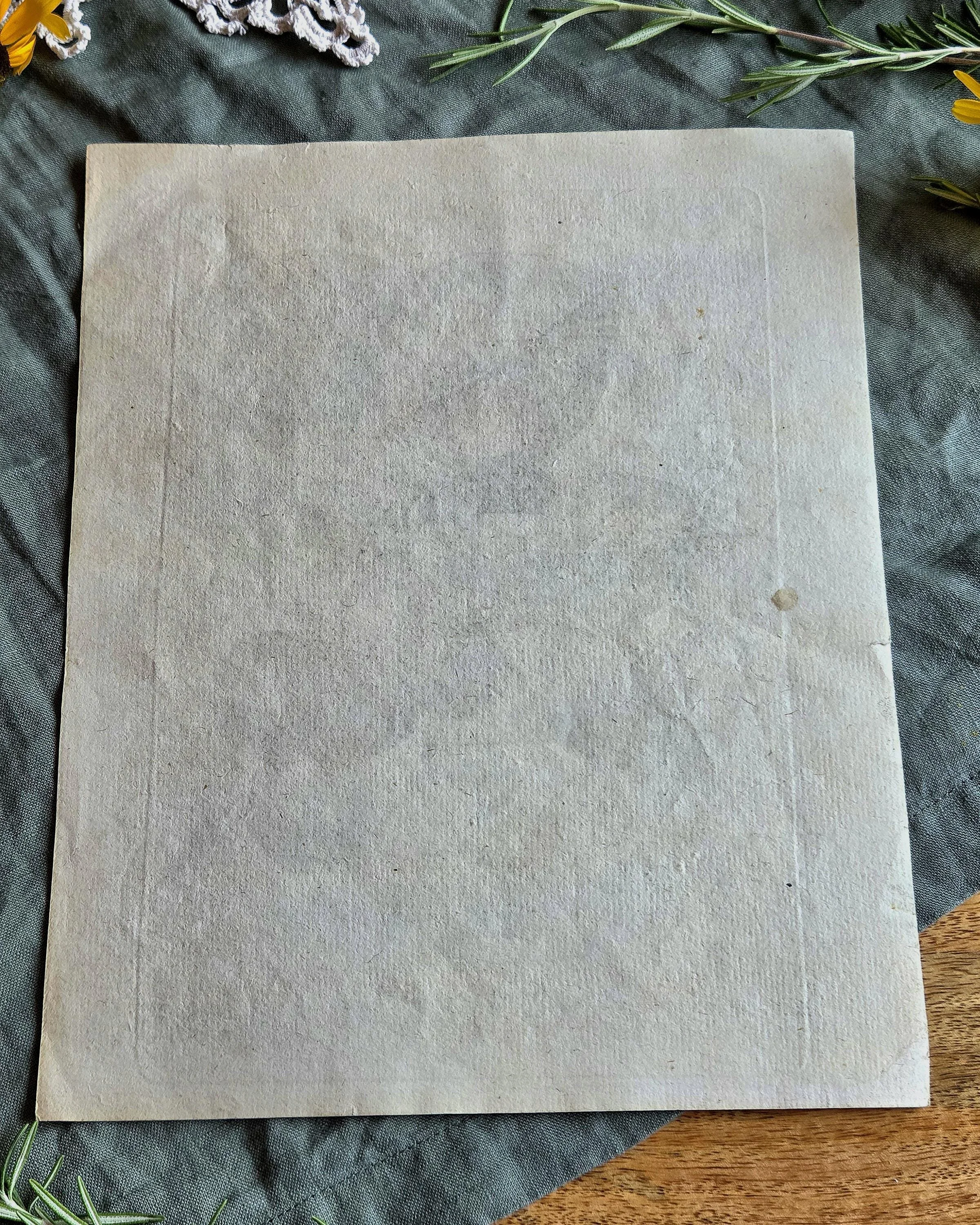 Image 9 of 11
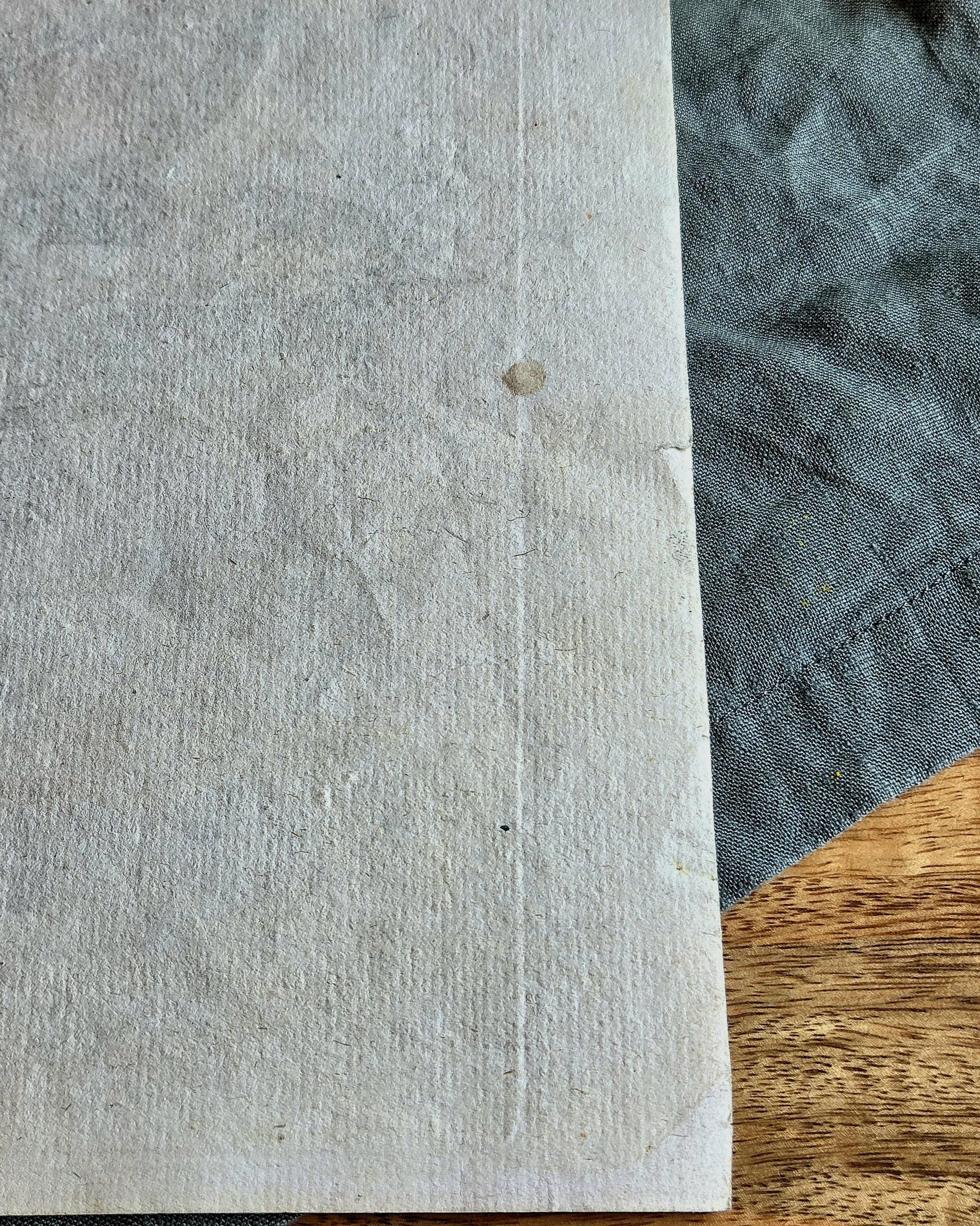 Image 10 of 11
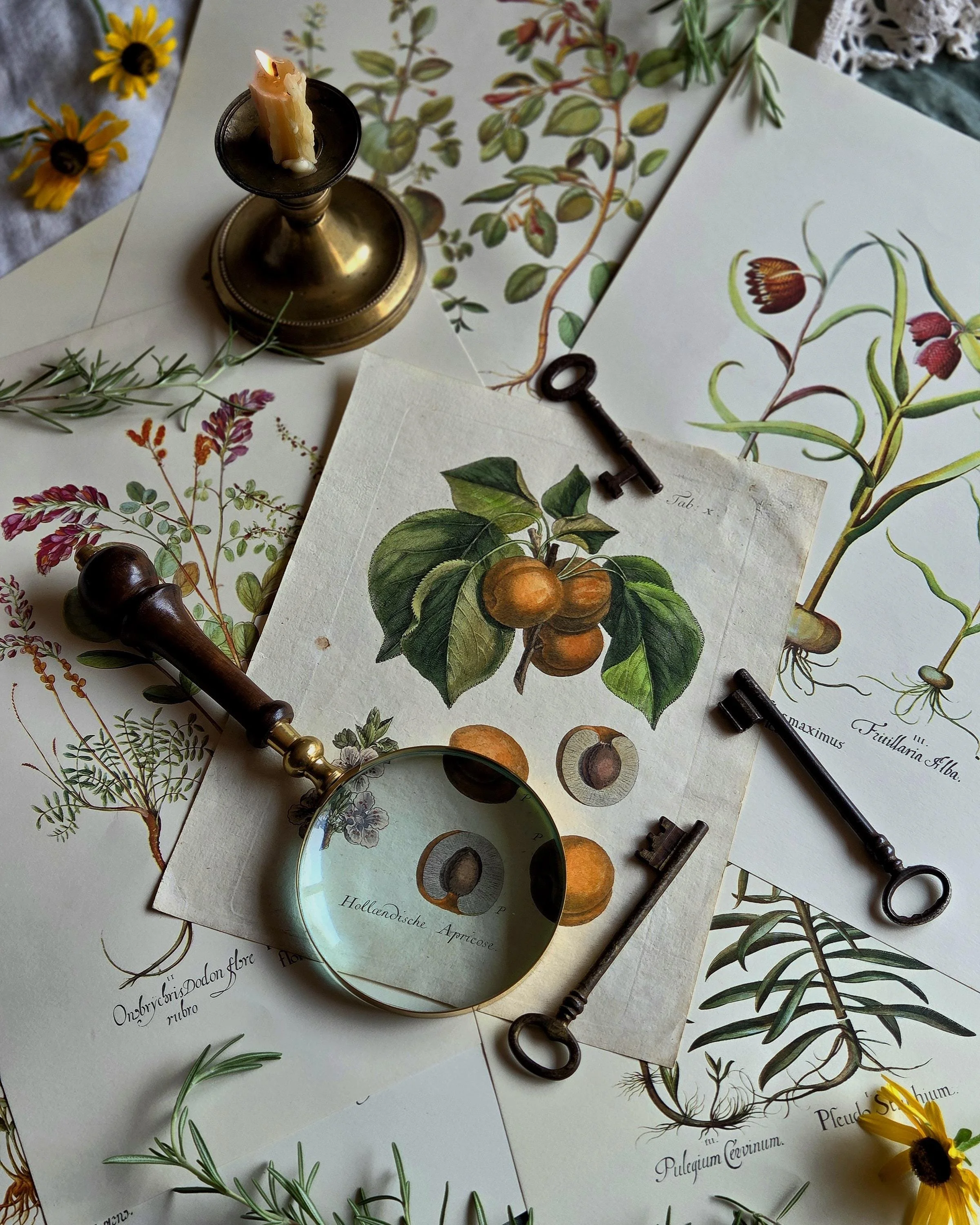 Image 11 of 11